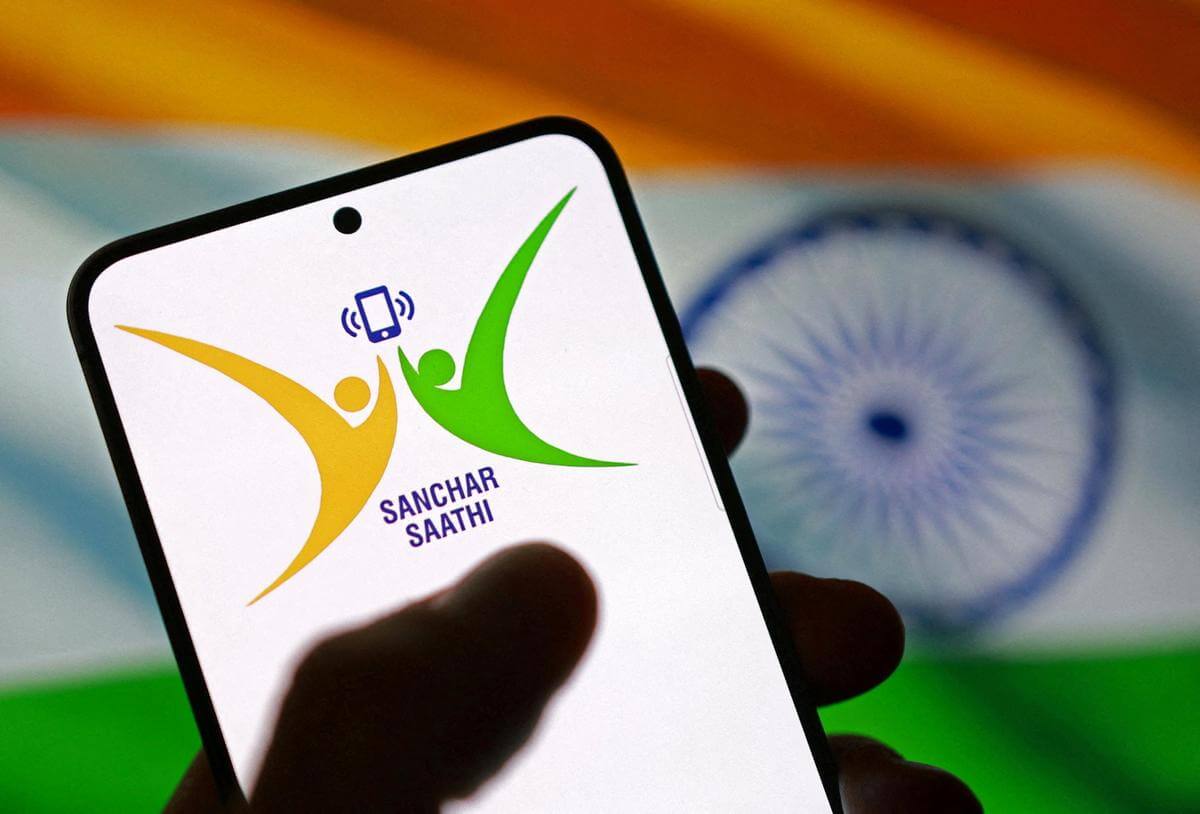
India's digital landscape is witnessing a dynamic shift as the government navigates the complexities of cybersecurity, digital literacy, and citizen empowerment. The 'Sanchar Saathi' initiative, spearheaded by the Department of Telecommunications (DoT), initially aimed to mandate the pre-installation of a government-backed cybersecurity app on all new smartphones. However, following widespread criticism and concerns over privacy and potential surveillance, the government has reversed its course, opting for a voluntary adoption model. This decision underscores a broader debate on the balance between security imperatives and individual liberties in the digital age.
Sanchar Saathi, launched in January 2025, is designed as a citizen-centric platform to bolster mobile security and awareness. The app offers a suite of features, including the ability to block stolen or lost phones, verify the authenticity of devices, check the number of mobile connections registered under a user's name, and report fraudulent communications. A key function is the "Chakshu" feature, enabling users to report suspected fraud via calls, SMS, or WhatsApp. The app also allows users to report international calls disguised as Indian numbers, helping the government combat illegal telecom exchanges.
The initial mandate for pre-installation, set to take effect in March 2026, sparked considerable controversy. Concerns were raised about user consent, data privacy, and the potential for the app to become a permanent, non-consensual point of access within the operating system. Critics argued that forcing users to accept government software without choice could erode trust and set a concerning precedent.
Major smartphone companies, including Google and Apple, reportedly prepared to challenge the directive, citing significant concerns over user privacy and device security. They argued that pre-installing a government app could compromise the security and stability of the operating system, potentially granting access to sensitive device information.
In response to the backlash, the government has emphasized that Sanchar Saathi is intended to safeguard users, not monitor them. Officials stated that the app has limited access to phone data, only to the extent permitted by users during each interaction of reporting fraud. The DoT also clarified that the app is voluntary, works only with user consent, and can be activated or deleted at any time.
The government's decision to withdraw the mandatory pre-installation order reflects a growing awareness of the need for a balanced approach to digital governance. While cybersecurity remains a critical concern, particularly with the rise of cyber fraud and illegal IMEI tampering, respecting user privacy and promoting digital literacy are equally important.
The focus is now shifting towards encouraging voluntary adoption of Sanchar Saathi through increased awareness and education. The DoT aims to empower citizens with the knowledge and tools to protect themselves from telecom-related threats, while ensuring that the app remains a user-centric and privacy-respecting tool. This approach aligns with the broader goal of fostering digital inclusion and ensuring that all citizens can participate safely and confidently in the digital economy.
The Sanchar Saathi initiative highlights the ongoing need for robust data protection regulations and open dialogue between the government, industry stakeholders, and citizens. By prioritizing digital literacy and user empowerment, India can create a more secure and inclusive digital ecosystem for all.