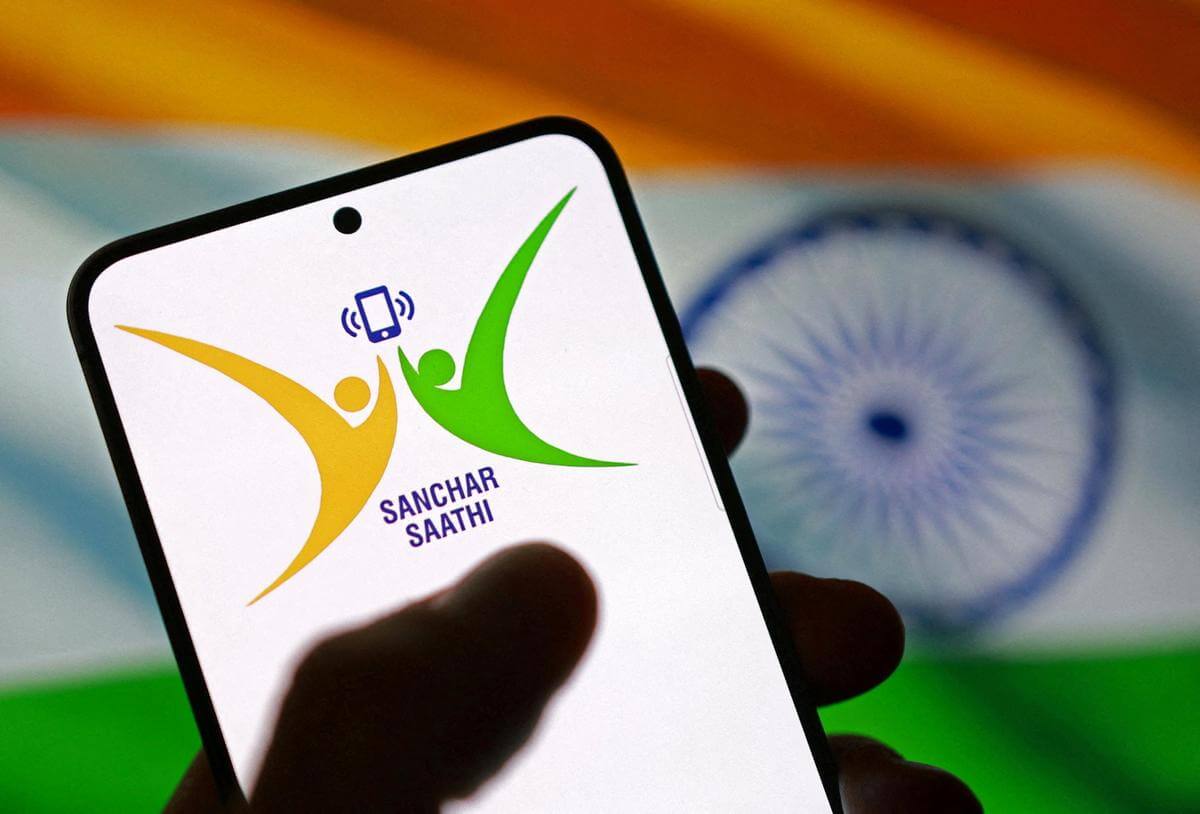
The Sanchar Saathi initiative, launched by the Department of Telecommunications (DoT) in January 2025, aimed to empower mobile subscribers, strengthen their security, and increase awareness about government initiatives designed to protect them from telecom-related cyber threats. The initiative includes a mobile app and a web portal, offering services such as reporting fraud, blocking stolen phones, and verifying device authenticity. However, recent developments surrounding the Sanchar Saathi app have sparked a debate regarding consent, privacy, and potential government overreach, leading to questions about whether India's expectations for digital privacy are diminishing under this initiative.
Mandatory Pre-installation and Subsequent U-Turn
In a move to combat cybercrime and protect citizens from fraudulent activities, the DoT initially mandated that all smartphone manufacturers pre-install the Sanchar Saathi app on new devices. This directive, issued on November 28, 2025, under the Telecommunication Cybersecurity Amendment Rules, marked the first instance of India requiring state-backed software on all mobile devices. The mandate also stated that users should not be able to disable or uninstall the app.
However, this decision faced immediate and widespread criticism from digital rights activists, cybersecurity experts, and the opposition. Concerns were raised about the potential for increased state surveillance, infringement of the fundamental right to privacy, and the lack of user consent. Just days after the initial directive, the government revoked the mandate, citing a surge in the app's acceptance as the reason for the reversal. Communications Minister Jyotiraditya Scindia clarified that the app is voluntary and users are free to remove it from their devices if they wish.
Privacy Concerns and the "Default Effect"
Despite the government's clarification, privacy concerns surrounding Sanchar Saathi persist. Legal experts argue that the forced installation of a state-owned app could be a violation of the fundamental right to privacy. Sachin Dhawan, Deputy Director at The Dialogue, a tech policy think tank, pointed out a major fault line: users don't have a choice or control if the app is pre-installed. Even with the option to uninstall, the "default effect" remains a concern, as users are less likely to actively remove an app that is already present on their devices.
Moreover, there are apprehensions about "function creep," where the app's backend might be used to collect more data or for undeclared purposes over time. Some experts believe that even if the stated purpose of the app is accepted, it creates an architecture for future surveillance. The potential for misuse of the app for state surveillance, especially considering past allegations of the government using surveillance software like Pegasus, remains a significant concern.
Sanchar Saathi's Functionality and Data Collection
Sanchar Saathi offers various services, including blocking stolen phones, checking mobile connections linked to a user's ID, and reporting suspected fraud through the "Chakshu" feature. To access these features, users are required to register with their mobile number, which is considered a critical piece of personal data. While the app's page on app stores initially claimed that it doesn't collect user data, this has been disputed. The mandatory registration with a mobile number raises concerns about data collection and potential tracking of users.
Government's Perspective and Counterarguments
The government has defended the Sanchar Saathi app, stating that it is a citizen-centric initiative aimed at curbing cyber fraud and ensuring telecom cybersecurity. Union Minister for Communications Jyotiraditya Scindia has stated in the Lok Sabha that the application does not access personal data of the user and it will "not be possible" for the app to be used for "snooping".
Furthermore, the government argues that the app is necessary to combat the prevalence of duplicate or spoofed IMEI numbers, which pose serious cybersecurity threats. It also aims to address the issue of stolen or blacklisted devices being resold in India's large second-hand mobile device market. The Sanchar Saathi portal has reportedly helped recover over 700,000 lost phones, block more than 3.7 million stolen devices, and terminate 30 million fraudulent mobile connections.
Striking a Balance Between Security and Privacy
The Sanchar Saathi app highlights the ongoing tension between the need for enhanced cybersecurity and the protection of individual privacy in the digital age. While the government aims to leverage technology to combat cybercrime and protect citizens, concerns remain about potential overreach and the erosion of privacy rights. The initial mandate for pre-installation without user consent triggered significant pushback, leading to its revocation. As the Sanchar Saathi initiative moves forward, it will be crucial to strike a balance between security and privacy, ensuring transparency, user control, and adherence to constitutional principles.