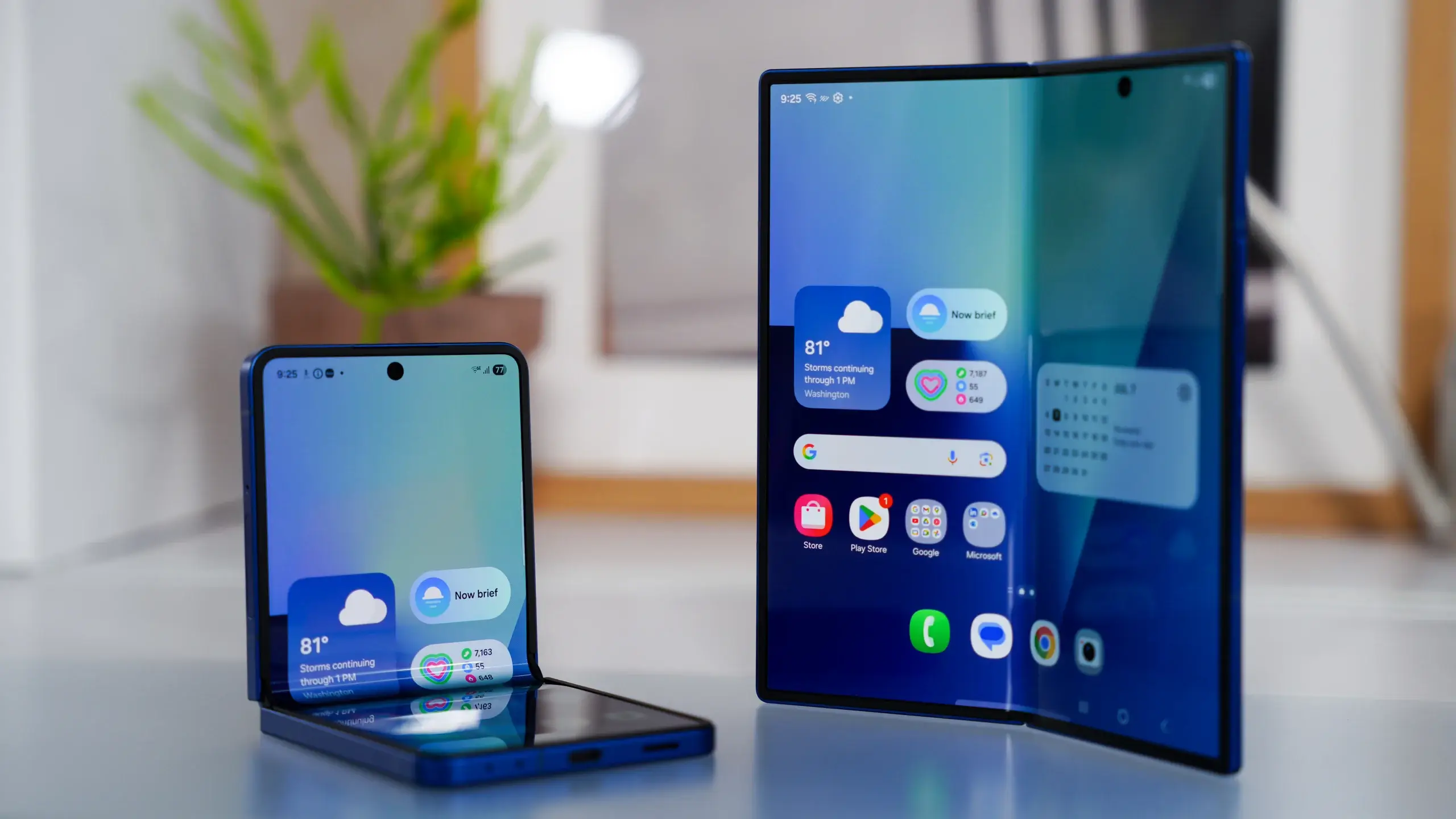
Samsung is bored. You can feel it in the hardware. For the last three years, the Galaxy line has been a study in incrementalism—a slightly flatter edge here, a few more nits of brightness there. It’s been the smartphone equivalent of a mid-cycle car facelift. But the whispers about the Galaxy S26 suggest Samsung is tired of playing defense against Apple’s silicon and the weird, experimental hardware coming out of China.
They want to be unbeatable. Again.
The marketing deck is already writing itself, focusing on six "key upgrades" meant to make your current S24 look like a rotary phone. But let’s peel back the plastic.
First, there’s the "Slim" pivot. Samsung is reportedly obsessed with shaving millimeters off the chassis. We’ve spent a decade making phones thicker to accommodate better batteries and massive camera sensors, but now the pendulum is swinging back. They’re calling it a design feat. I call it a looming disaster for your grip. A thinner phone is a more slippery phone, and unless they’ve discovered a way to make glass defy physics, it’s just more surface area to crack.
Then we get to the silicon. Samsung is finally expected to go "all-in" on its 2nm process. They want to ditch the reliance on Qualcomm’s tax and prove they can bake a chip that doesn't turn your pocket into a space heater. If they pull it off, the S26 will be a powerhouse. If they don’t, we’re looking at another year of the "Exynos lottery" where European users get a stuttering mess while the rest of the world enjoys smooth scrolling. It’s a gamble that puts the entire "unbeatable" narrative at risk.
The camera is the third pillar. The rumor mill says we’re finally moving past the 200-megapixel gimmick toward a massive 1-inch sensor on the Ultra. This is the real deal. It’s the upgrade that actually matters for photography, allowing for natural bokeh and low-light shots that don't look like an oil painting. But there’s friction here. A 1-inch sensor requires depth. If Samsung wants a "Slim" phone and a giant sensor, the camera bump is going to look like a Lego brick glued to the back of a credit card. Your phone won't sit flat on a table until 2029.
Fourth: Tandem OLED. Borrowing a page from the M4 iPad Pro, Samsung plans to stack two layers of organic light-emitting diodes. It’ll be brighter. It’ll last longer. It’ll probably be the best screen ever put on a handheld device. It’ll also push the price of the Ultra toward the $1,400 mark. We’re reaching the point where a phone costs as much as a decent used Honda Civic.
Then there’s the "AI" of it all. Galaxy AI 2.0. Samsung wants to move the processing off the cloud and onto the device. No more waiting for a server in Virginia to tell you how to rephrase an email to your boss. It’s about "privacy," they’ll tell us. Really, it’s about control. They want to lock you into an ecosystem so tight that switching to a Pixel feels like moving to a different planet.
Finally, they’re supposedly fixing the charging. After years of watching OnePlus and Xiaomi top up in fifteen minutes while Samsung users waited an hour, the S26 is rumored to hit 65W wired speeds. It’s a "welcome to 2022" moment, but I’ll take it.
So, that’s the pitch. A thinner, faster, brighter, smarter slab with a better camera and quicker charging. On paper, it’s a juggernaut. It’s the phone that closes every gap. But here’s the rub: Samsung’s biggest enemy isn't Apple anymore. It’s the fact that we’re all exhausted. We’re tired of the $1,300 price tags. We’re tired of "AI" features that we use once and then forget.
Samsung is building a masterpiece of engineering to solve a problem that might not exist. They want to dominate a market that is increasingly cynical about the need for a new phone every twelve months. They’ll probably sell millions of them. The hardware will be flawless. The software will be bloated but functional.
But as the price of entry climbs and the actual utility of these upgrades plateaus, you have to ask yourself a question. Are we buying a tool that makes our lives better, or are we just paying a premium to have the most expensive fidget spinner in the room?