Google I/O is back. May 17. Same stage, different version of the same empty promise. Sundar Pichai will likely walk out in a sensible sweater, stand under the brutal Mountain View sun, and tell us that Google is "reimagining" things again. It’s a ritual at this point. We fly to the Shoreline Amphitheatre, eat boxed lunches, and watch a trillion-dollar company pretend it isn't just a giant ad agency undergoing a mid-life crisis.
The 2026 lineup looks exactly like you’d expect. More Gemini. More "helpful" overlays. More ways for your phone to talk to you while you’re trying to ignore the world. The invite hit inboxes with all the charm of a subpoena, and the hype machine is already grinding its gears. But let’s look past the slick demo reels and the inevitable awkward banter between executives.
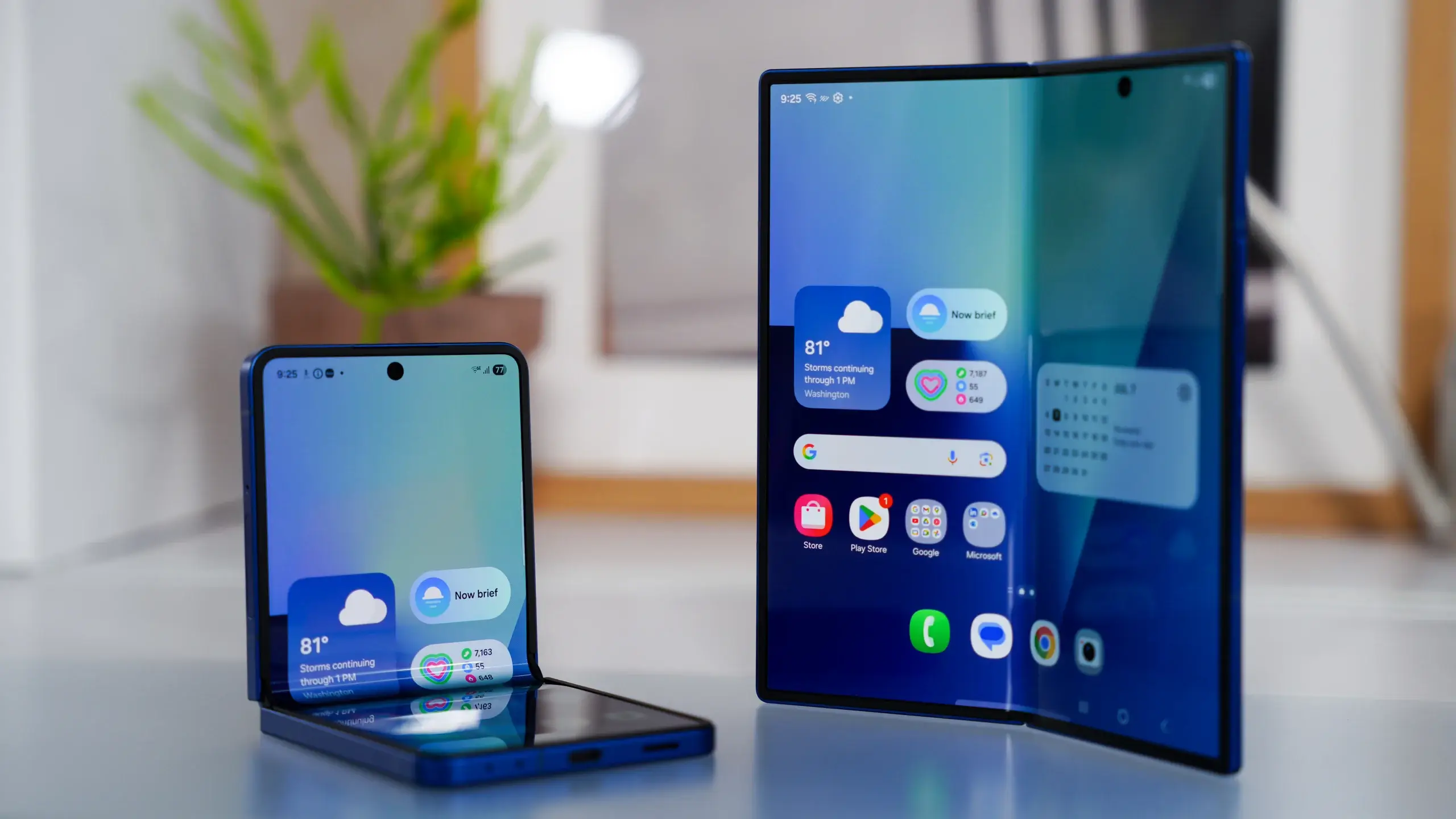
The headline act is Android 17. They’re calling it a "reboot," which is developer-speak for "we’ve moved the buttons around and added a subscription tier." The big rumor? A deep integration of Gemini that lives at the kernel level. Google wants your OS to anticipate your needs before you even have them. It sounds nice in a pitch deck. In reality, it means your battery life is going to take a 15% hit so the Google Assistant can suggest a burrito place when you’re crying in a Rite Aid. There’s a friction here that nobody wants to talk about: privacy vs. utility. You can have a "smart" phone, or you can have a private life. Google’s 2026 strategy suggests you can’t have both.
Then there’s the Pixel 10. This is the year Google finally moves to its fully custom TSMC-built silicon. No more Samsung hand-me-downs. No more overheating when you try to record 4K video for more than three minutes. But that custom chip comes with a custom price tag. Expect the Pro models to flirt with the $1,200 mark. That’s a lot of money for a device that’s basically a vessel for AI features you’ll turn off after a week. The trade-off is clear: you pay a premium for the "pure" Google experience, which increasingly feels like being a beta tester for software that won't be finished until the Pixel 11 comes out.
We’re also hearing whispers about "Project Astra" finally becoming a real product. Remember those demos where someone pointed a camera at a circuit board and the AI explained it? They want to bake that into every Chrome tab and every camera lens. It’s cool tech, sure. But it also turns the web into a feedback loop of summarized content. If the AI reads the web so you don't have to, who’s going to keep making the web? Google doesn't have an answer for that. They just want you to stay inside the garden.
Search is the other elephant in the room. Or rather, the ghost in the room. The "ten blue links" are dead. The 2026 version of Search is expected to be a conversational wall of text that synthesizes information without ever giving credit to the source. It’s efficient. It’s fast. It’s also a parasitic relationship with the very creators Google claims to support. If you’re a publisher, May 17 is the day you find out how much more of your traffic is about to vanish into the Gemini maw.
There will be talk of "responsibility" and "safety." There always is. We’ll see a few slides about watermarking AI images and "bold yet cautious" development. It’s the same script every year. They’ll show us a feature that can organize your entire life, and then they’ll bury it in a menu three layers deep where no one will ever find it. Or better yet, they'll kill it eighteen months later.
The most telling part of I/O isn't what they announce, but what they don't mention. They won't mention the antitrust headaches. They won't mention the fact that their hardware market share is still a rounding error compared to Apple. They’ll just keep talking about the "future," because the present is too messy to fix.
By the time the keynote ends, we’ll have a dozen new "experiences" and zero clear reasons why we need them. We’ll get a new set of expensive earbuds that look like river stones and a promise that the Google Home app finally works. It won’t.
So, mark your calendars for May 17. We’ll be there, squinting at the stage, waiting for Google to show us a version of tomorrow that doesn't feel like a data-harvesting chores list. I’m not holding my breath.
Is a phone still a phone if it spends more time thinking for you than listening to you?