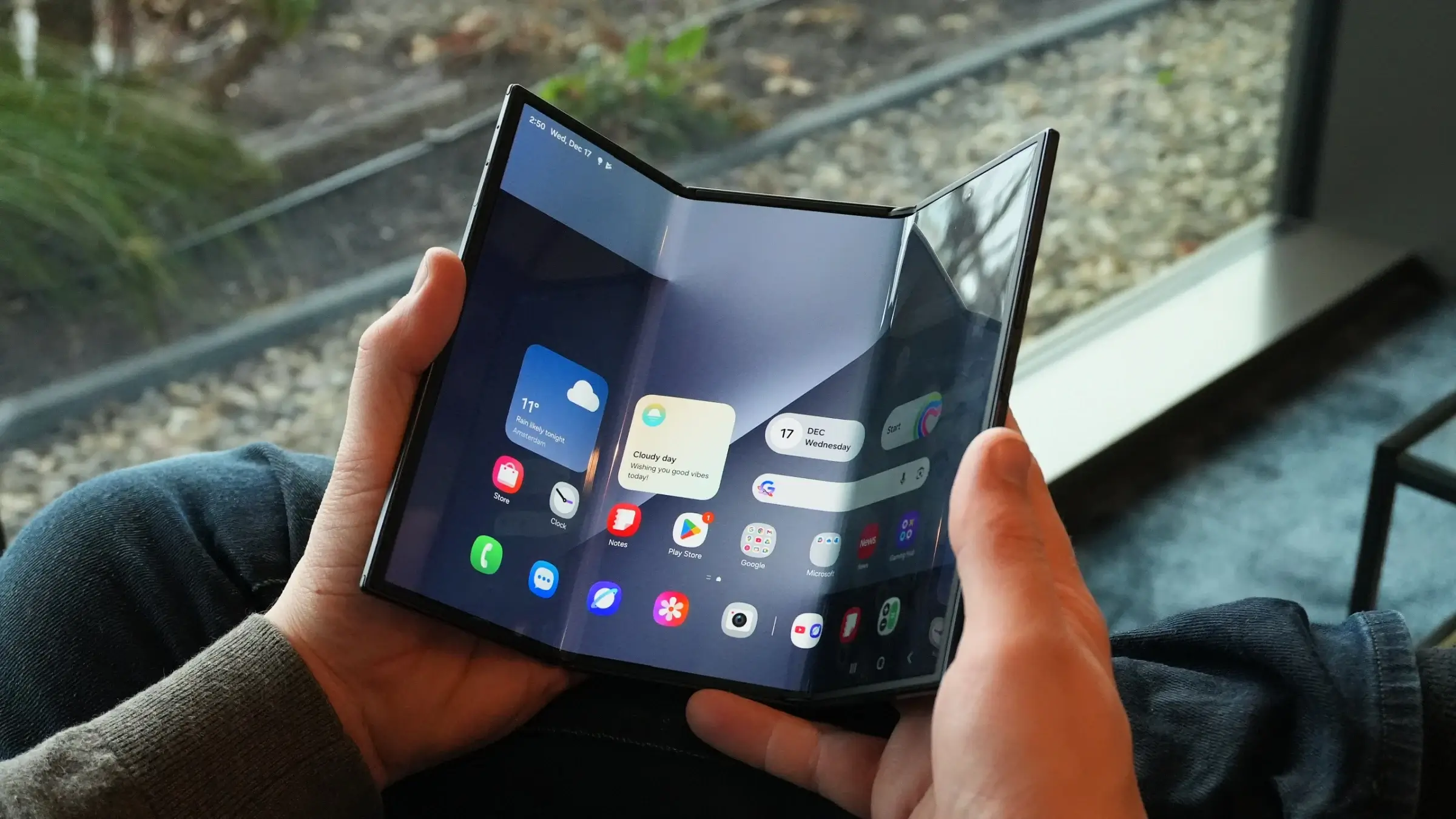
At CES 2026, Lenovo unveiled Qira AI, a new platform designed to seamlessly integrate the functionality of PCs and phones to enhance user productivity and overall experience. This "personal AI super agent" represents a significant step towards creating a unified, cross-device ecosystem.
Qira, pronounced "keer-ah," is designed to function as a "personal ambient intelligence" system, operating across Lenovo laptops, desktops, Motorola smartphones, tablets, and even wearables. Unlike traditional AI assistants that are confined to specific applications or devices, Qira is designed to be context-aware and accessible across multiple devices without requiring users to actively switch between applications. It embodies Lenovo's vision of "one AI, multiple devices".
The key benefit of Qira is its ability to maintain real-time context as users transition between devices. For instance, if a user is researching a project on their Motorola Razr while commuting, Qira recognizes the content on the screen. When the user later opens their Lenovo Yoga laptop, Qira proactively provides the necessary documents and creative tools to continue the workflow seamlessly. This "Next Move" feature eliminates the need for manual file transfers and ensures a smooth, uninterrupted workflow.
Lenovo's Qira leverages existing ecosystems, integrating Moto AI, Lenovo AI Now, and the Lenovo Creator Zone to establish a continuous intelligence that follows users across their devices. This level of cross-device functionality is currently offered only by a few companies, including Apple, Google, and Samsung. Qira can summarize notifications, provide real-time transcriptions and translations, and coordinate other AI agents for tasks such as travel bookings.
To ensure reliability and user privacy, Lenovo employs a hybrid AI architecture. This approach utilizes on-device processing, leveraging local Neural Processing Units (NPUs) for low latency and privacy, while employing secure cloud server computing for more complex tasks. The platform builds a fused knowledge base, combining user-selected interactions, memories, and documents across devices, with user privacy and consent at its core.
Qira is set for a phased rollout, initially launching on select Lenovo AI PCs in the first quarter of 2026. Later in the year, the service will expand to Motorola Razr and Edge series phones, as well as Lenovo tablets and IoT devices. Current Lenovo AI Now users will receive over-the-air updates to transition to the new platform.
Lenovo is also enhancing user experiences across its Lenovo Aura Edition devices, including the new ThinkPad X1 models and ThinkCentre X AIO systems. These enhancements include Smart Modes, which allow users to personalize system settings, Smart Share, which simplifies collaboration, and Smart Care, which provides AI-assisted troubleshooting.
The introduction of Qira is part of Lenovo's broader "hybrid AI" strategy, targeting both consumer and enterprise markets. The company aims to position itself as a leader across AI consumer devices, AI computing infrastructure, and enterprise AI solutions. According to Lenovo Chairman and CEO Yang Yuanqing, Qira is "completely different" from previous AI features, representing a shift towards personalized AI experiences. Lenovo's Qira uses OpenAI's GPT models and Microsoft's Phi-4 mini model for local capabilities. The launch of Qira signifies Lenovo's commitment to creating more intuitive, personal, and connected computing experiences, bridging the gap between devices and enhancing productivity for users.