IoT Explained: How a Network of Smart Devices is Transforming Our World
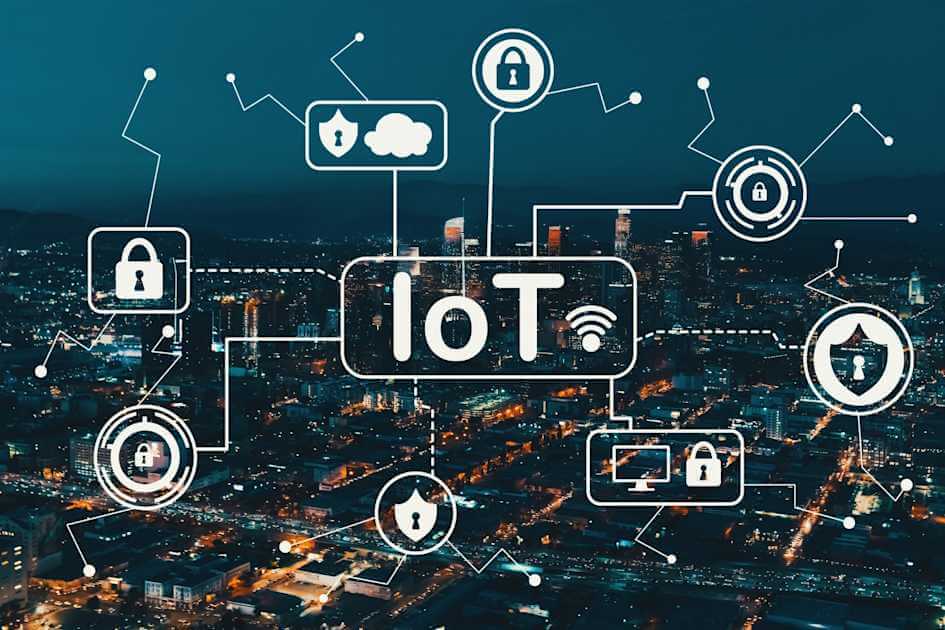
The Internet of Things (IoT) is revolutionizing how we live and interact with the world, connecting everyday objects to the internet and enabling them to communicate and exchange data. This network of interconnected devices, ranging from household appliances to industrial machines, is creating a more efficient, convenient, and data-driven world.
At its core, IoT involves embedding sensors, software, and other technologies into physical objects, allowing them to collect data and connect to networks. These devices then transmit data to a central system or cloud platform where it's stored, analyzed, and processed. This data is used to derive insights, make predictions, and trigger automated actions, creating a seamless integration of the digital and physical worlds.
IoT is transforming numerous sectors, including:
- Smart Homes: IoT enables automated lighting and heating systems for a more comfortable and safer life. Connected thermostats, security cameras, and other smart home devices can be controlled via apps, enhancing convenience and security.
- Healthcare: IoT devices provide continuous health monitoring, offering early warnings for diseases and enabling telemedicine consultations. This gives patients greater control over their health and improves healthcare outcomes.
- Transportation: IoT facilitates real-time traffic management, optimized routing, and improved safety measures. It also enhances public transportation systems by providing commuters with real-time information about schedules and delays.
- Agriculture: IoT helps automate farming techniques and make informed decisions to improve quality and quantity of crops. Farmers can monitor soil temperature and moisture, apply precision fertilization programs, and optimize irrigation.
- Smart Cities: IoT enables comprehensive urban optimization through traffic management, enhanced public safety, smart grids, and improved citizen services. Interconnected streetlights, environmental sensors, and traffic management systems enhance the quality of urban living and operational efficiency.
- Industry 4.0: IoT is used for predictive maintenance, production monitoring, and automation in the industrial sector. This leads to improved efficiency, reduced costs, and better decision-making.
The benefits of IoT are vast and span across various aspects of life. It improves efficiency by automating routine processes and streamlining operations. Enhanced decision-making is facilitated through real-time data and analytics. IoT increases safety by monitoring critical systems and providing early warnings. It also improves quality of life through smart home devices and personalized healthcare. Furthermore, IoT contributes to environmental sustainability by enabling efficient resource management and reducing waste.
However, the widespread adoption of IoT also presents several challenges:
- Security: IoT devices are prime targets for hackers and cybercriminals due to weak authentication mechanisms, unencrypted data transfers, and outdated firmware.
- Privacy: IoT devices collect vast amounts of personal data, raising concerns about who has access to this information and how it is being used.
- Interoperability: Not all IoT devices and solutions are compatible with each other, creating challenges for integration and data sharing.
- Scalability: Managing and scaling IoT deployments with millions of devices can be complex and overwhelming.
- Connectivity: IoT devices need a reliable network connection to transmit and receive data, but coverage can be limited in certain areas.
To address these challenges, several measures are being taken:
- Strengthening Security: Implementing robust authentication mechanisms, encrypting data transmissions, and regularly updating firmware and software.
- Enhancing Privacy: Establishing clear data privacy policies and regulations to protect personal information.
- Promoting Interoperability: Developing standardized protocols and frameworks to ensure seamless communication between devices from different manufacturers.
- Improving Scalability: Utilizing cloud-based platforms and other scalable solutions to manage large-scale IoT deployments.
- Expanding Connectivity: Leveraging various connectivity options, such as cellular, LPWAN, and satellite networks, to ensure ubiquitous coverage.
The future of IoT is promising, with advancements in edge computing, 5G connectivity, AI integration, and blockchain security. By 2030, the number of connected IoT devices is projected to surpass 29 billion. Emerging trends like AIoT, digital twins, and blockchain-based security are revolutionizing how businesses optimize processes, enhance cybersecurity, and improve decision-making. As IoT technology continues to evolve, it will undoubtedly play an increasingly significant role in shaping our world.