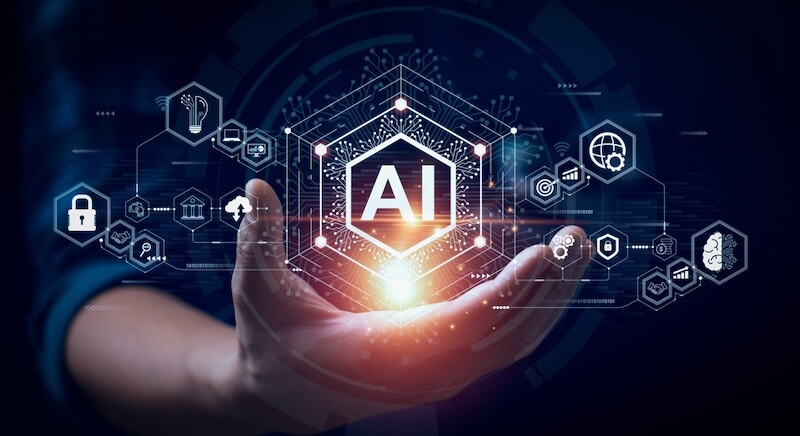
AI's transformative power is rapidly reshaping the roles, strategies, and future technology vision of Chief Information Officers (CIOs) and Chief Technology Officers (CTOs). As AI continues to evolve, these leadership roles are shifting from simply managing IT infrastructure to guiding companies through comprehensive digital transformations.
Redefining Leadership Roles
The traditional responsibilities of CIOs and CTOs are being augmented by the need to understand and implement AI-driven solutions. AI can automate routine tasks like network monitoring, system maintenance, and cybersecurity, freeing up CIOs and CTOs to concentrate on innovation and long-term technology strategies. This shift allows them to leverage data-driven insights to anticipate customer needs, improve operations, and develop new products and services. In essence, the modern CIO is evolving into a strategic business leader, driving innovation and organizational transformation.
Strategic Imperatives
CIOs and CTOs are now tasked with shaping AI strategy, establishing governance structures, and aligning AI initiatives with overall business objectives. Effective AI implementation requires an outcome-focused approach, supported by AI-ready data operations and aligned with the organization's risk appetite. A key aspect of this strategic shift is prioritizing an AI-ready data infrastructure, which involves designing frameworks that efficiently collect and process high-volume data, integrate data lakes and cloud storage, and ensure data quality and governance for reliable insights.
Navigating Challenges and Ethical Considerations
However, the rise of AI also presents significant challenges. CIOs and CTOs must navigate ethical concerns related to data privacy and the impact of automation on jobs. They need to continuously update their skills to keep pace with rapidly advancing AI technologies. Furthermore, AI necessitates strong collaboration between CIOs/CTOs and other departments like HR, marketing, and finance. Cross-functional alignment is crucial to ensure that AI initiatives align with overall company goals.
Future Technology Vision
Looking ahead, AI is poised to become a fixture in both personal and business life. Generative AI models have demonstrated immense potential, but their limitations are also becoming apparent. The future of AI is being defined by a shift toward open-source models for experimentation and the development of smaller, more efficient models. Within the next decade, AI will likely enhance computer vision, natural language processing, predictive analytics, and robotics. As AI adoption spreads, its impact on global operations will be immense, influencing climate action, job markets, and various industries.
The CIO's Evolving Skill Set
To effectively lead in this new landscape, CIOs and CTOs must possess a blend of technical expertise and business acumen. They need to understand market dynamics, competitive landscapes, and customer needs, translating AI capabilities into tangible value for stakeholders. They must also champion upskilling initiatives to embed AI fluency throughout the organization, ensuring that every function plays a role in AI adoption.
Seizing Opportunities
By embracing this shift, CIOs and CTOs can drive innovation and secure their organization's success in today's competitive landscape. Those who stay ahead will be the driving force behind their organization's AI transformation, capturing long-term value and sustaining AI success through continuous improvement.