Artificial intelligence (AI) has transitioned from a futuristic concept to an integral part of daily life, seamlessly weaving into routines and experiences. In 2025, AI is not just utilized by tech companies, but is present in homes, schools, offices, and hospitals, augmenting human potential by automating tasks, enhancing healthcare, and personalizing education.
Smart Homes and Personalized Living
Smart home technology has evolved, with AI acting as the central nervous system, anticipating user preferences and automating chores. Voice assistants now predict needs based on daily patterns, while smart thermostats learn preferred temperatures. AI-powered security systems detect unusual behavior and use facial recognition, enhancing convenience, saving time and reducing energy costs. These advancements cater to a wide range of individuals, including the elderly and those with disabilities, promoting independent living.
AI in Healthcare: Precision, Prevention, and Personalization
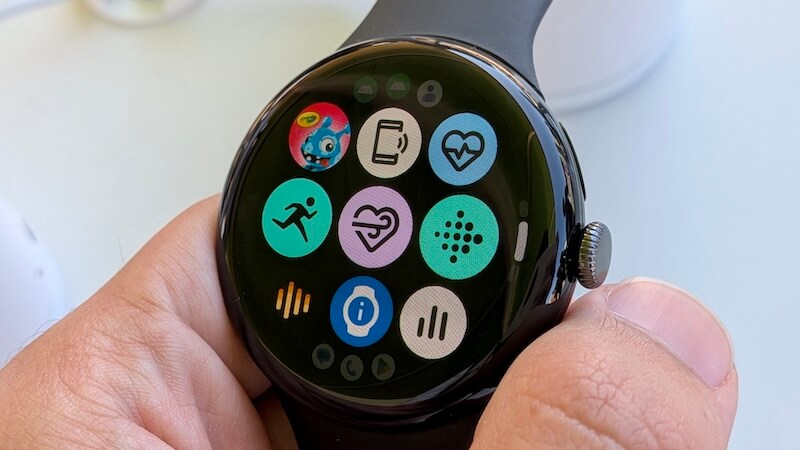
Healthcare is one of the most significant beneficiaries of AI, shifting from reactive to proactive care. AI enables early disease detection, provides personalized treatment plans, and facilitates remote patient monitoring. Virtual consultations are now standard, with AI triaging patients and analyzing symptoms via natural language processing in chatbots. AI-powered health apps track vitals and offer personalized wellness recommendations. This makes healthcare more accessible, faster, and tailored, empowering individuals to take control of their health data and decisions.
Education Revolutionized: Personalized Learning
AI is transforming education by adapting to the unique needs of each student. AI-driven platforms offer personalized learning experiences, identify knowledge gaps, and provide customized content. Virtual classrooms and AI tutors offer students support and guidance, making education more engaging and effective. AI can also automate administrative tasks, freeing up educators to focus on teaching and student interaction.
AI in the Workplace: Smarter Work, Less Stress
AI is enhancing productivity across various industries by automating repetitive tasks, analyzing data, and supporting decision-making. AI assistants and copilots are transforming workflows, helping with complex tasks, and improving communication. AI-powered tools like Grammarly and Notion AI assist in writing, editing, and summarizing tasks, making work more efficient and less stressful. AI also aids in recruitment, customer support, and data analysis, streamlining business processes and improving customer satisfaction.
Transportation and Urban Living: AI on the Move
AI is optimizing transportation and urban living through self-driving cars, AI-powered navigation apps, and smart public transportation systems. Autonomous vehicles are becoming more reliable, navigating traffic and avoiding collisions with the help of AI. AI navigation apps predict traffic, suggest better routes, and adjust for delays in real-time. AI also optimizes bus and train schedules, predicts vehicle maintenance, and manages urban transit flow, making transportation more efficient and sustainable.
Ethical Considerations and the Future of AI
As AI becomes more prevalent, ethical considerations and regulations are becoming increasingly important. Governments and regulators are grappling with AI to ensure responsible development and deployment, focusing on transparency, fairness, and accountability. Addressing AI bias, strengthening AI regulation, and establishing ethical standards are crucial for fostering public trust and maximizing the benefits of AI. The future of AI involves the expansion of its role in everyday life, assisting with data analysis, research, human care, household tasks, workplace efficiency, and safety.