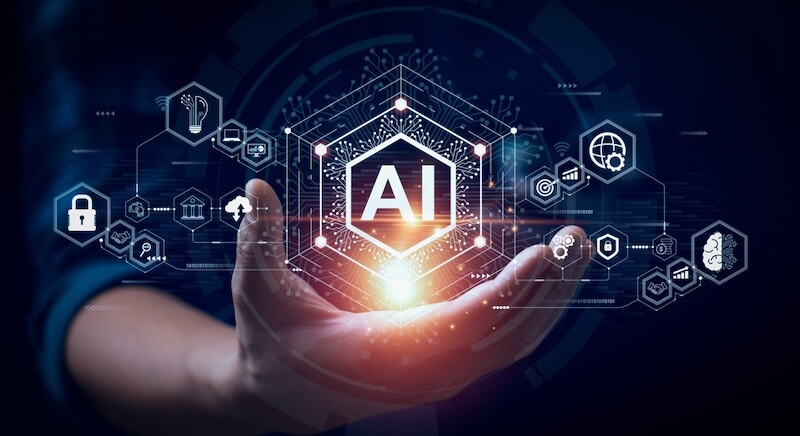
Artificial Intelligence (AI) is rapidly transforming education, offering exciting new possibilities for students and educators alike. From personalized learning experiences to automated administrative tasks, AI has the potential to revolutionize the way we teach and learn. However, like any powerful tool, it's crucial to understand how to use AI effectively and responsibly in schools. This guide provides tech tips on leveraging AI's strengths while avoiding potential pitfalls.
Smart Ways to Use AI in Education
- Personalized Learning: AI can analyze a student's strengths, weaknesses, learning pace, and preferences to tailor educational content to their individual needs. AI-powered platforms can provide customized lesson plans, resources, and feedback, ensuring that each student receives the right level of challenge and support. Intelligent tutoring systems, such as Khan Academy's Khanmigo, DreamBox, and Duolingo, adapt instruction based on a student's progress, pinpointing strengths and weaknesses.
- Intelligent Tutoring Systems: AI can provide personalized instruction and support to students, acting as an intelligent tutor. These systems can offer real-time monitoring of progress and targeted feedback, encouraging independent learning and helping students advance through complex concepts at a suitable difficulty level.
- Automated Administrative Tasks: AI can automate routine tasks such as grading assignments, scheduling, and managing student records, freeing up educators' time to focus on teaching and interacting with students. AI-powered tools can also assist in lesson planning, creating assessments, and writing individualized education plans (IEPs), streamlining instruction.
- Content Creation and Curation: AI tools can generate high-quality educational materials, including lesson plans, multimedia resources, and interactive quizzes. They can also curate content from a wide variety of sources, providing educators with a wealth of resources to enhance their teaching.
- Improved Accessibility: AI can provide tools like text-to-speech, speech recognition, and real-time language translation, making education more accessible to students with disabilities and diverse language backgrounds.
- Enhanced Research and Writing: AI tools like ChatGPT, Grammarly, and ScholarAI can assist students with research, writing, and critical thinking. These tools can generate summaries, offer writing suggestions, and help students find relevant research materials. Google NotebookLM is an AI study tool where students can upload PDFs, websites, and other documents to create summaries, flashcards, and quizzes.
- 24/7 Support: AI-powered chatbots and virtual tutors can offer students support anytime, answering their questions and providing guidance.
Mistakes to Avoid When Using AI in Schools
- Over-Reliance on AI: Relying too heavily on AI tools can reduce critical thinking and problem-solving skills, as students may become overly dependent on automated assistance. It's crucial to balance AI with traditional teaching methods and human interaction.
- Ignoring Ethical Considerations: AI systems can reflect biases present in the data they are trained on, leading to unfair or discriminatory outcomes. It's essential to ensure that AI tools are fair, unbiased, and used ethically.
- Compromising Data Privacy and Security: AI systems often require student data to work effectively, raising concerns about privacy and data protection. Schools must adhere to strict privacy laws and implement robust data security practices to safeguard student information.
- Neglecting the Human Element: AI cannot replicate the empathy, understanding, and personal connection that human educators offer. It's important to prioritize tools that complement human interactions and enhance educator-student relationships.
- Lack of Transparency and Accountability: AI tools can be complex and opaque, making it difficult to understand how they work and how they make decisions. Schools should select tools with clear information on data practices and establish accountability measures to address any errors or biases.
- Using AI for High-Stakes Decisions: AI monitoring tools should not be used to make disciplinary, evaluative, or grading decisions. These tools should not substitute for due process or human oversight.
- Ignoring the Need for Training and Support: Educators need training and support to feel comfortable using new AI technology. Schools should offer professional development courses and opportunities for collaboration to help teachers understand AI's capabilities and limitations.
Best Practices for Integrating AI in Education
- Start Small and Set Clear Objectives: Begin with small-scale AI projects and clearly define the educational objectives you want to achieve. Ensure that AI integration complements your goals.
- Provide Training and Support: Offer workshops and professional development courses on AI to help educators understand its capabilities and limitations.
- Foster Collaboration: Encourage educators to share their experiences with AI and learn from each other.
- Monitor and Evaluate Impact: Continuously monitor how students integrate AI into their work and provide constructive feedback. Use data analytics to measure the effectiveness of AI tools in achieving learning objectives.
- Prioritize Ethics and Integrity: Uphold academic integrity by helping students distinguish between AI assistance and plagiarism. Engage them in discussions about ethical AI use.
By following these tech tips, schools can harness the power of AI to enhance learning experiences, improve student outcomes, and prepare students for the future. Remember that AI is a tool, and like any tool, it's only as good as the hands that wield it.